When Wireless Surround Sound Systems Work in Theatres
Modern theatres and event spaces are asked to do more than ever. One night hosts a live band, the next a cinema screening, a corporate presentation or an immersive theatrical production. A wireless surround sound system promises the flexibility to reconfigure a room without running new cable through walls and ceilings, and that appeal is real for Australian venues juggling tight turnarounds.
Wireless is not a single technology, though, and it does not suit every part of the signal path equally. Getting it right means knowing where wireless delivers and where a wired feed still protects your audience experience. This article explains when wireless works in theatres and event spaces, covering latency, reliability and layout, so you can specify a sound system that sounds superb and performs night after night.
What Wireless Surround Means in a Venue
Surround and immersive audio wrap your audience in sound. Instead of a simple left and right image, content is placed around the room through front, side and rear loudspeakers, often with overhead channels for object-based formats. In a theatre this demands precise timing and even coverage. If one channel arrives fractionally late or drops out, the illusion collapses and the audience notices at once.
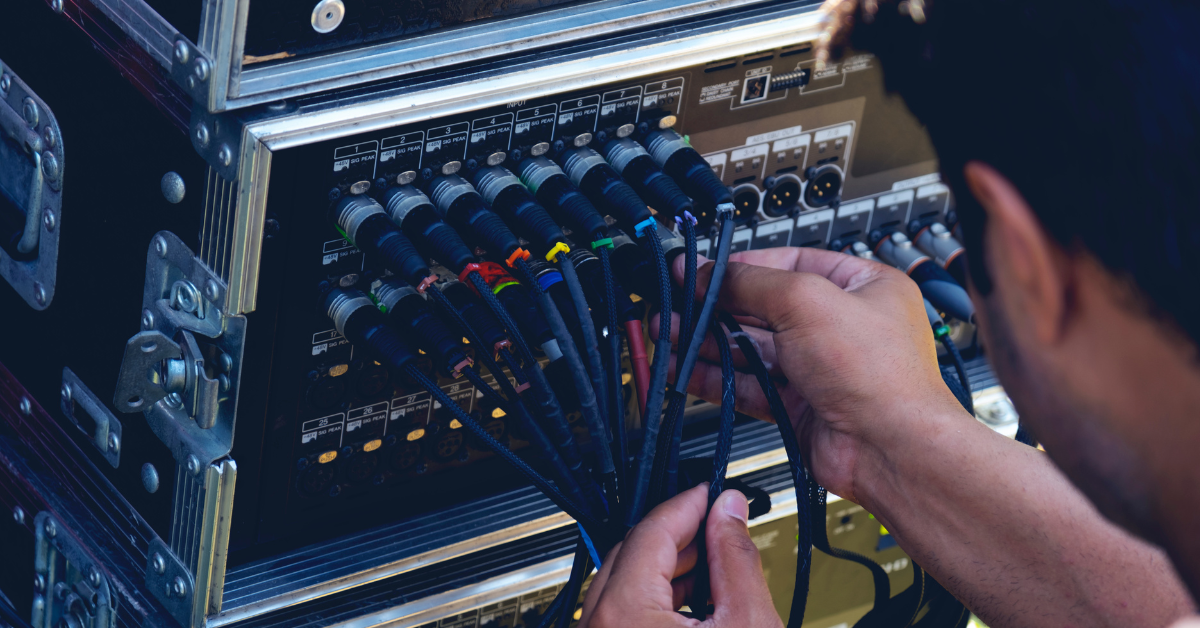
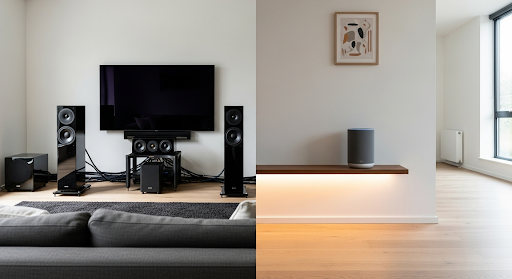
The principles echo a home theatre sound system scaled up: the same left, centre, right and surround logic, but engineered to fill a room of hundreds rather than a lounge. The word wireless can mean three different things here. It can mean the source devices, such as microphones, instruments and playback. It can mean system control and monitoring. And in some designs it can mean networked audio transport. It rarely means the final loudspeaker feeds, which almost always stay wired for critical channels.
When venues blur these layers and try to run everything through the air, problems follow: audible latency, dropouts mid-show, and a surround field that never quite locks in. Picture a multi-use theatre in Melbourne switching from a matinee film to an evening band. Push the surround speaker feeds onto congested radio frequencies and you invite the one thing a paying audience never forgives: live sound interrupted by silence. The crowd may not know why the night felt flat, but your venue's reputation carries the cost.
Why Latency Matters
Latency is the delay between a signal entering the system and leaving the loudspeaker. In a surround setup every channel must stay in sync, because your ears place sound partly through tiny timing differences between speakers.
Shure's guide notes that 5 to 10 milliseconds of latency is generally acceptable for stage monitors, with delay becoming noticeable beyond about 5 to 10 milliseconds measured one-way, from input to output.
Digital wireless links add delay as they convert audio in and out of the radio path. Well-engineered professional wireless sits comfortably within these limits, while consumer Bluetooth often does not, adding tens of milliseconds that can wreck a surround mix.
For sources such as wireless microphones and instruments feeding a wired system, quality wireless is fine. For the surround loudspeaker feeds themselves, a wired connection removes latency and jitter from the equation. For critical surround channels, wired remains the surest path to perfect timing.
Reliability and the Australian RF Spectrum
A theatre cannot afford a dropout mid-performance, and reliability is where wireless is tested hardest. The radio spectrum around a busy venue is crowded, and every added wireless channel raises the odds of interference.
In Australia, wireless microphones and audio devices operate under rules set by the Australian Communications and Media Authority. Much of the usable spectrum sits in the 520 to 694 MHz band, shared with television broadcasting, so you must check for a clear channel in your area, and the 694 to 820 MHz range is no longer available for wireless microphones (ACMA).
Venues in Melbourne, Sydney and Brisbane face the most congestion, with competing microphones, in-ear monitors and Wi-Fi all sharing the airspace. Reliable wireless depends on proper frequency coordination, quality antennas, diversity receivers and enough spectrum headroom. The fewer critical signals you send through the air, the more resilient your system becomes.
Laying Out a Wireless Surround Sound System
A surround system only works if the loudspeakers reach every seat, not just the best one in the middle. In a theatre with fixed seating, this is both a challenge and an opportunity.
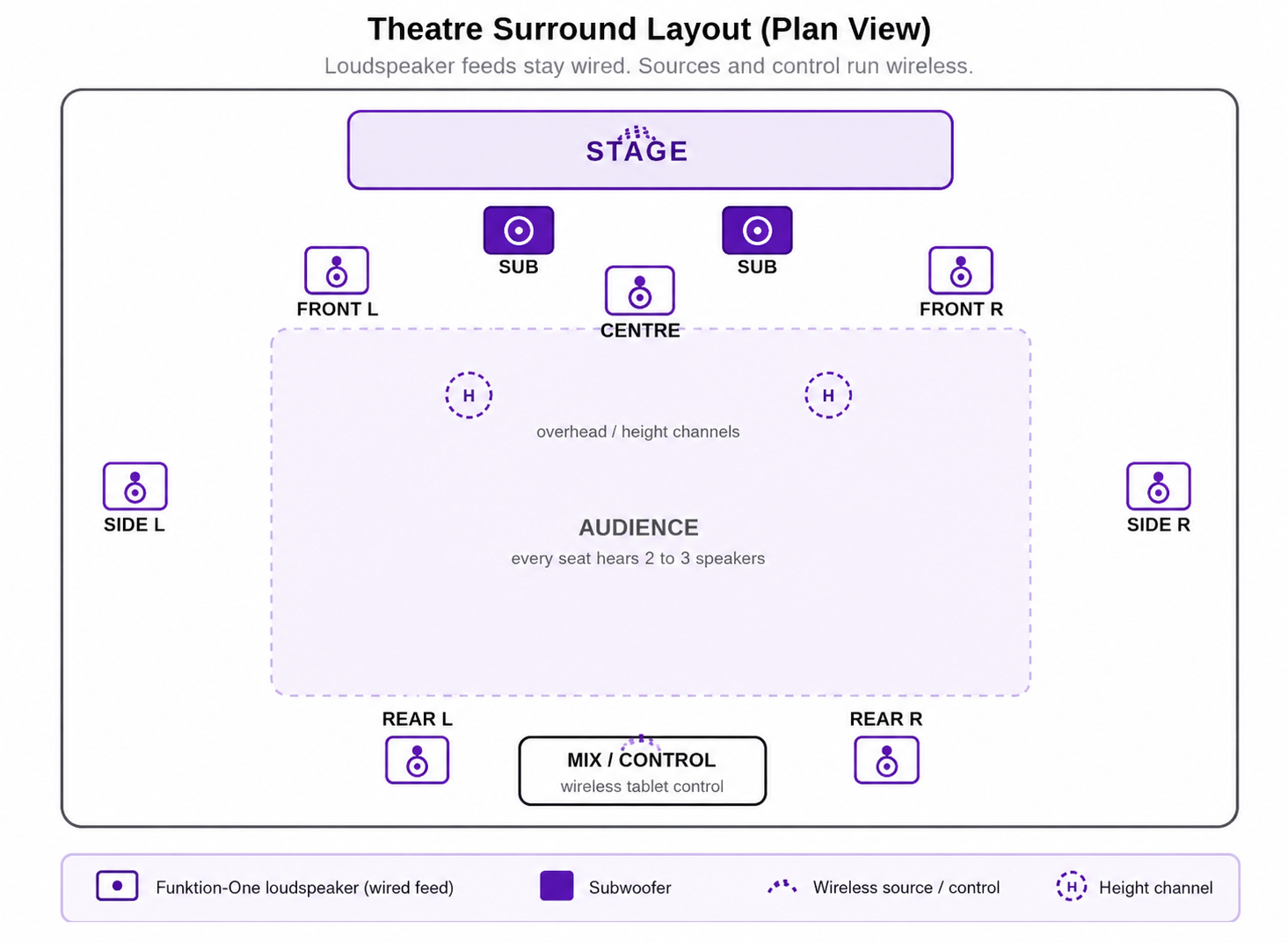
A practical guideline used by immersive audio designers is that every listener should hear at least two, and ideally three, loudspeakers at similar levels from their position (Fulcrum Acoustic). That builds a consistent field across the whole room rather than a single sweet spot.
Front left, centre and right carry the primary image and dialogue. Side and rear surrounds place effects and ambience around the room, subwoofers anchor the low end near the stage, and overhead speakers add the vertical dimension for object-based formats. The diagram below shows a typical theatre surround layout in plan view, with wired feeds to the loudspeakers and wireless reserved for sources and control at the mix position.
Careful placement matters more than channel count. A well-positioned 5.1 or 7.1 array of high-quality speakers will outperform a larger system that is poorly located, which is exactly where professional sound system installation earns its value.
Where Funktion-One Fits
Surround audio lives or dies on clarity. Every channel must reproduce detail cleanly, because muddy speakers blur the imaging that makes surround convincing.
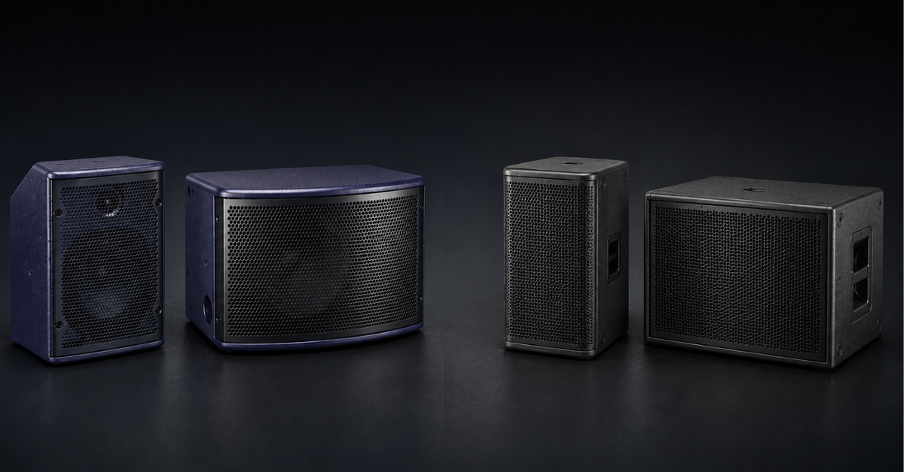
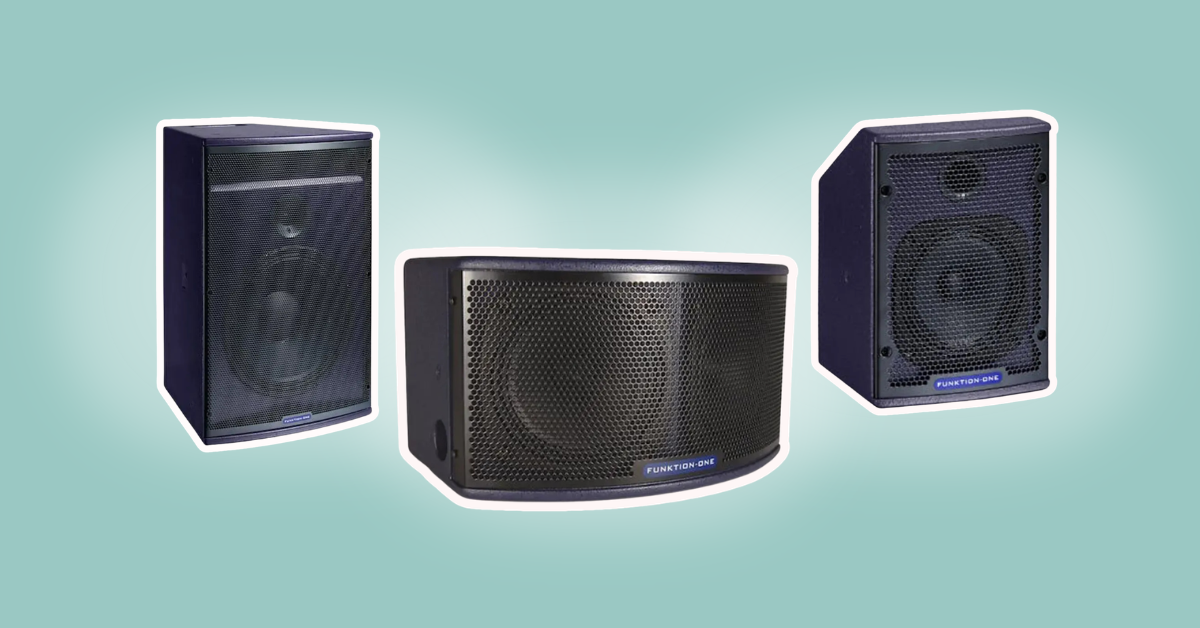
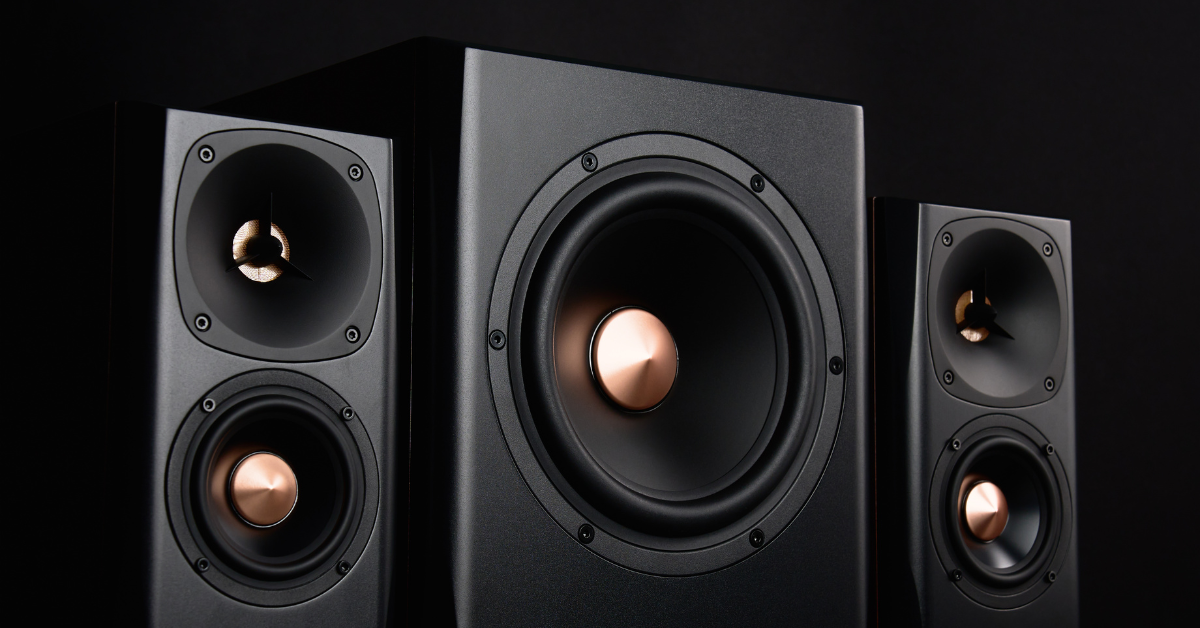
Funktion-One's Resolution series is built for this kind of work. Its point-source, cone-based design suits medium-sized theatres and rooms with lower ceilings, delivering natural, detailed reproduction with even coverage. Because Funktion-One avoids corrective EQ and engineers for fidelity from the ground up, it reproduces dialogue, music and effects with the honesty a theatre demands.
For smaller or more intimate spaces, the Compact range delivers the same quality without overpowering the room, while the Bass range provides the controlled low end that grounds an immersive mix. Matched components across these ranges let you build a coherent surround system where every channel shares the same sonic character, which is essential for a seamless field.
Signs This System Suits Your Venue
A Funktion-One surround system suits your space if several of these ring true:
- You run a multi-use theatre or event space hosting live music, cinema, drama and corporate events.
- Your programming demands both speech intelligibility and full-range musical performance.
- You have a medium-sized room or lower ceilings, where the Resolution series excels.
- Your audience expects an enveloping, immersive experience rather than front-facing stereo.
- You value dependable nightly performance over the lowest upfront cost.
- You want the flexibility of wireless sources while protecting critical channels with wired feeds.
If your venue hosts everything from live bands to film nights across Melbourne and the Eastern Seaboard, that versatility is a strong match.
Absolute Audio's Approach
Absolute Audio has been Australia's official Funktion-One distributor since 2002. That means more than twenty years working with these systems and a genuine understanding of how they behave in real venues.
Our approach starts with your room. We assess your acoustics, seating, ceiling height and programming, then recommend a surround layout and system that suits how you actually use the space. We are honest about where wireless helps and where a wired feed will serve you better.
From there we prepare a custom quote based on your specifications, drawing on the full Funktion-One range and a network of experienced installers who know these systems. Custom builds are available for unusual requirements, with a typical twelve-week lead time. Based in Melbourne, we serve venues across the Eastern Seaboard and are the exclusive distributor for New Zealand. Get in touch through our contact page to start the conversation.
Key Selection Criteria
Before you specify a wireless surround sound system, work through these questions:
- Which signals genuinely need to be wireless, and which should stay wired for reliability?
- Have you coordinated frequencies and checked the available spectrum for your area with the ACMA?
- Does your loudspeaker layout deliver even coverage to every seat, not just the centre?
- Is the latency of any wireless link low enough to preserve surround timing?
- Do your speakers share a consistent sonic character across every channel?
- Does your budget reflect the long-term value of reliability and sonic quality?
Answering these questions honestly will steer you towards a system that delivers sonic excellence, dependable performance and a listening experience your audience remembers. If any answer gives you pause, that is the moment to bring in expert advice before you commit to a design or a budget.
Specify the Right System for Your Venue
A well-designed wireless surround sound system gives your venue flexibility without sacrificing the immersive audio your audience remembers. The trick is knowing when wireless works: excellent for sources and control, best kept wired for the critical surround feeds. Get that balance right and you protect both your sound and your reputation.
Absolute Audio can help you specify the right system for your theatre or event space. Request a custom quote or venue consultation on 0418 501 968 or email funktion-one@absoluteaudio.au. For the bigger picture, see our guide to how to spec a professional sound system for venues and our sound system installation checklist for venues.